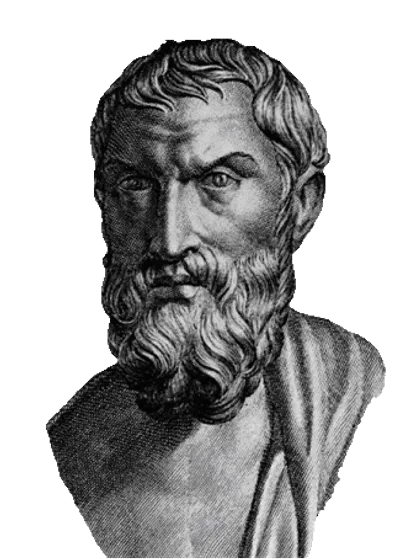
“In this way Epicurus represents the wise man as continually happy: he keeps his passions within bounds; about death he is indifferent; he holds true views concerning the eternal gods apart from all dread; and he has no hesitation in crossing the boundary of life, if that be the better course. Furnished with these advantages, the wise man is continually in a state of pleasure, and there is in truth no moment at which he does not experience more pleasures than pains. For he remembers the past with thankfulness, and the present is so much his own that he is aware of its importance and its agreeableness, nor is he dependent on the future, but awaits it while enjoying the present … and when he compares the fool’s life with his own, he feels great pleasure. Pains, if any befall him, have never power enough to prevent the wise man from finding more reasons for joy than for vexation.”
Thus for Epicurus, the term “pleasure” includes much more than bodily stimulation - it includes everything in life that is desirable, including both the activity of the mind and of the body. In other words, the pursuit of science, art, and music are every bit as important to the pursuit of pleasure as food, drink, and sex! Once you expel the false priests and philosophers who claim the right to tell you what is right and wrong, you see that it is Nature that tells you how to live through pleasure and pain.
If you’ve read this far and are still interested, then come with us on our journey by clicking “Learn More” below!